Tell Us About Your Loft Conversion Project


Why convert your loft?
More space. Whether its for kids, a home office or just more space for yourself, building into your loft is a great option to increase your space, without the hassle and cost of moving.
More value. On average loft conversions add 20% to a properties value, making it one of the best investments your make. As long as you live in the property that increase tax free too.
Don't move. Moving is time consuming and expensive. Converting your loft gives you a great way to get more space and add value to your property without moving.
HOW WE CAN HELP
Our work


The Process

Free Consultation & Survey
We visit your home, check your loft’s suitability, discuss your ideas, and answer your questions.
Giving you clarity on whats possible, timelines and costs.

Design & Planning
Our team handles drawings, planning permissions, building regulations and the project plan.
Giving you a detailed plan that's ready to build, and all of the necessary permissions.

Build & Manage
We take care of the build - from structural work, insulation, electrics and finishes all with project management included.
Giving you a stress free project, completed on time and budget.

Enjoy Your New Space
We hand over the complete project, ready to furnish and enjoy.
Giving you more living space, more comfort and your property more value.
About us
We're a family business with family values.
We know all of our staff personally and never sub contract.
Known professional staff
Lots of happy customers
Never sub contractors
Options
Choose Your New Loft
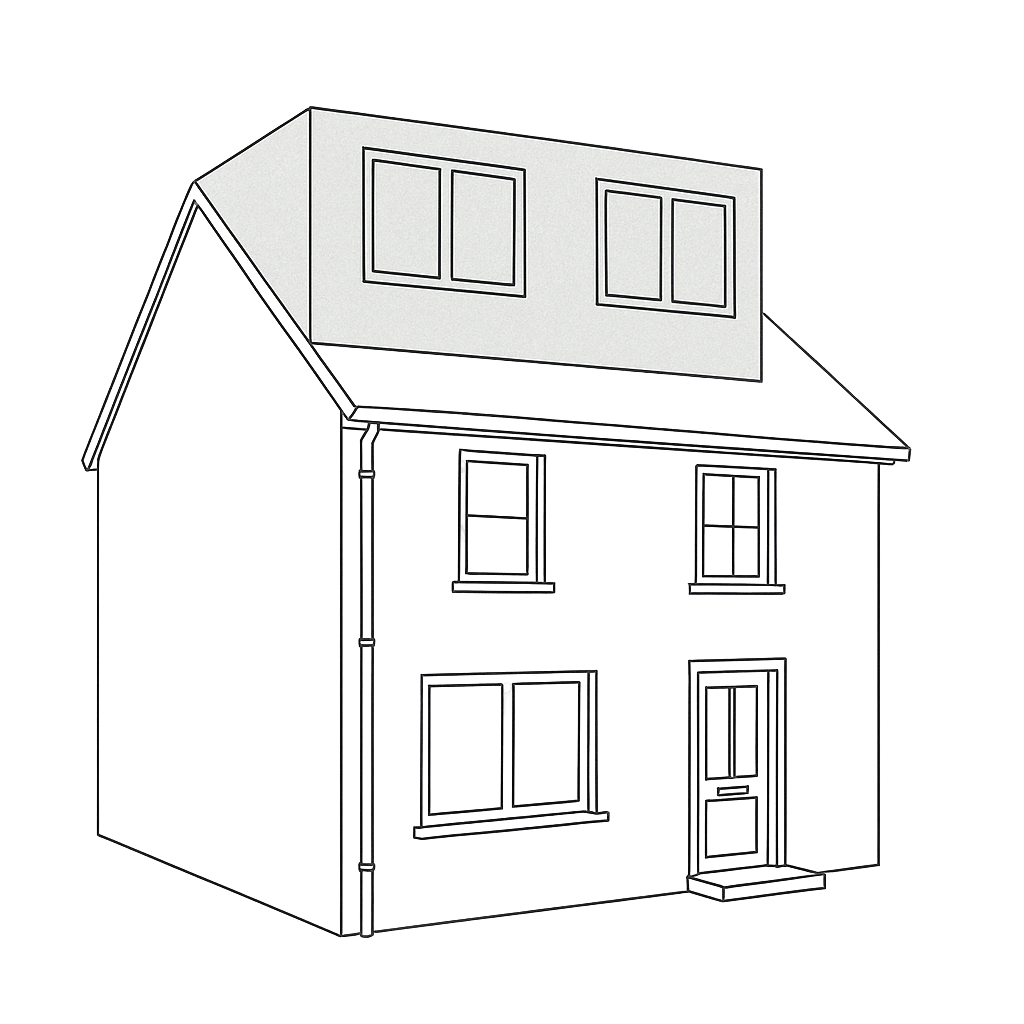
Dormer
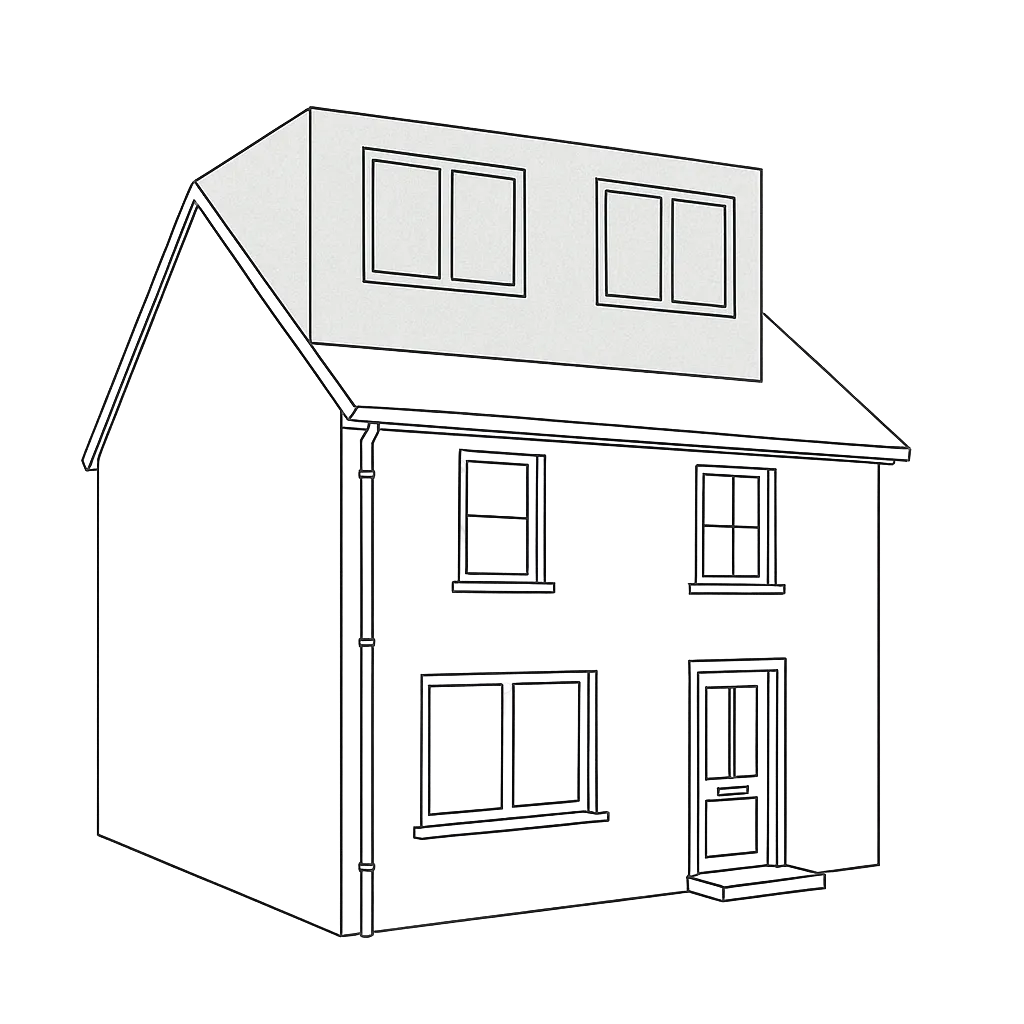
Most cost effective
Versatile design
Done in 6-8 weeks
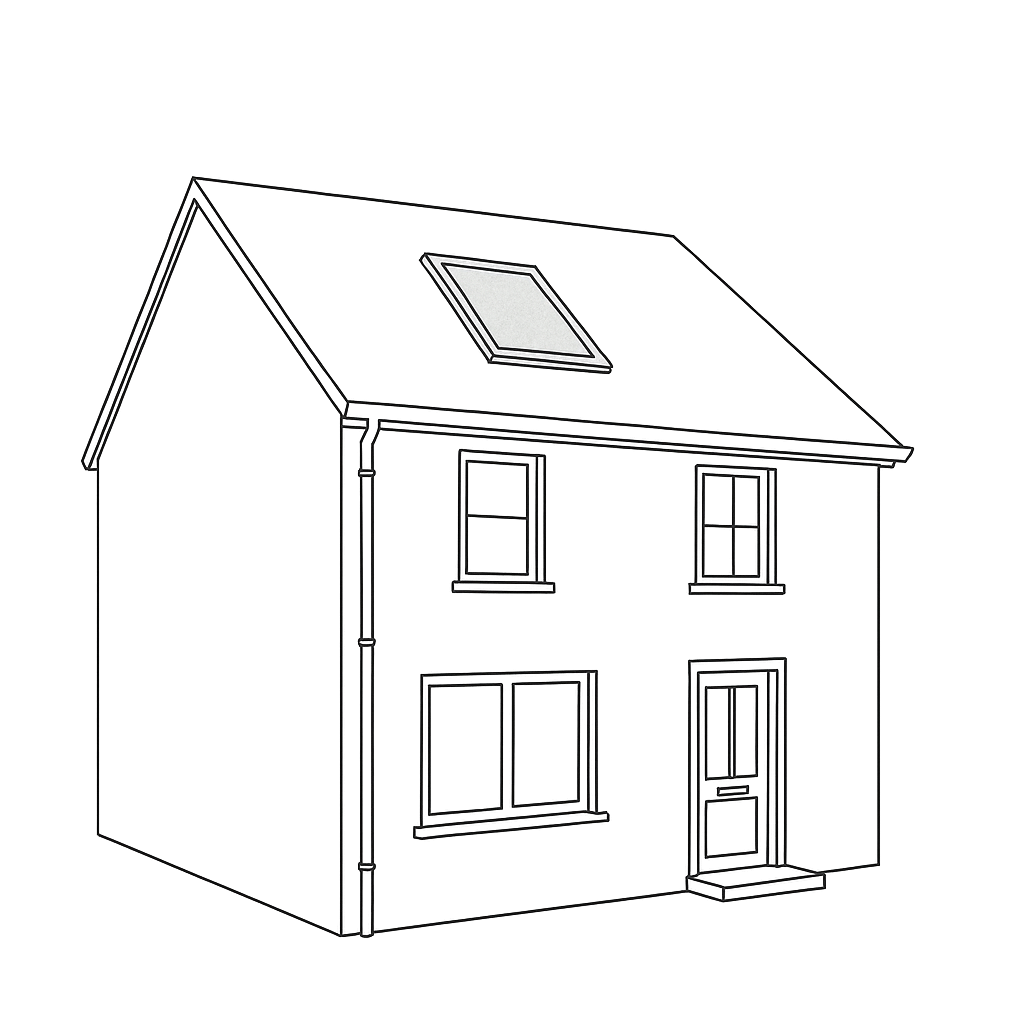
Velux
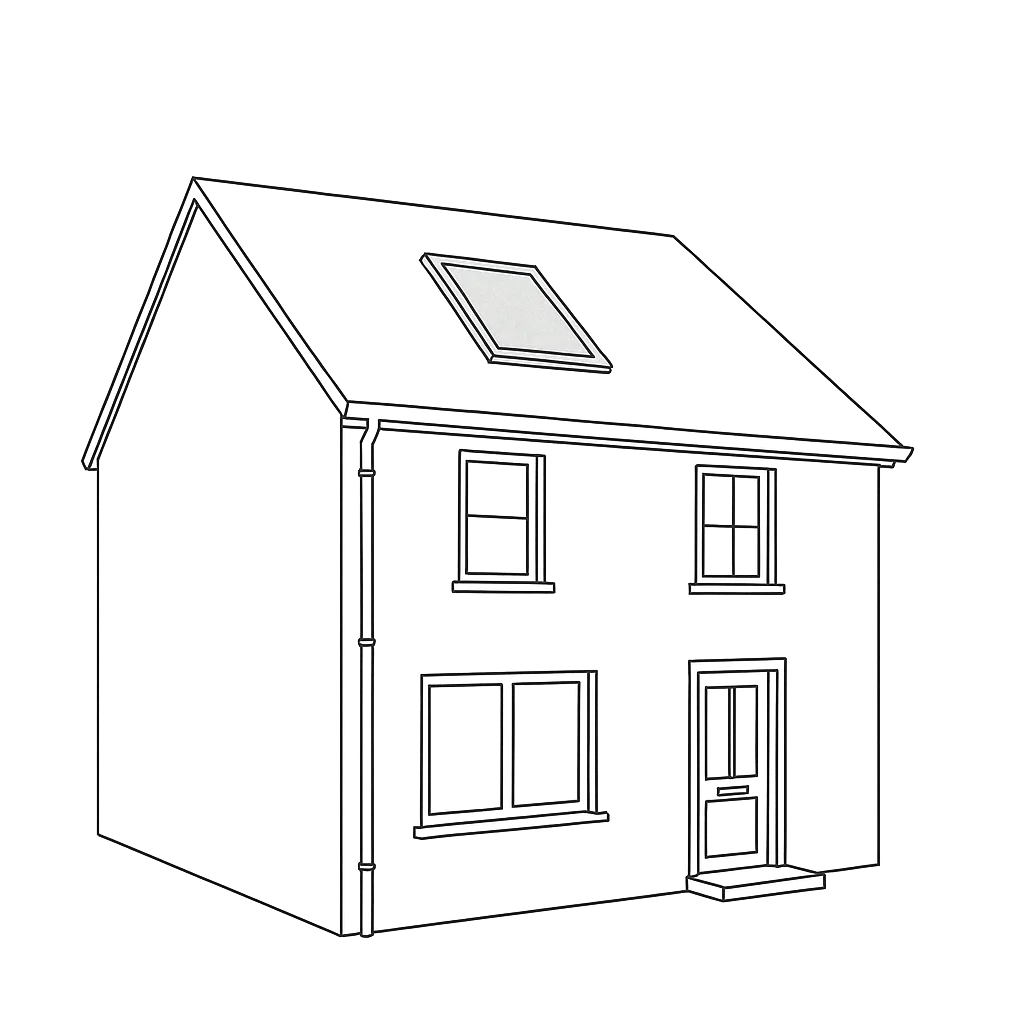
Quick and affordable
Minimal planning
Done in 2-4 weeks
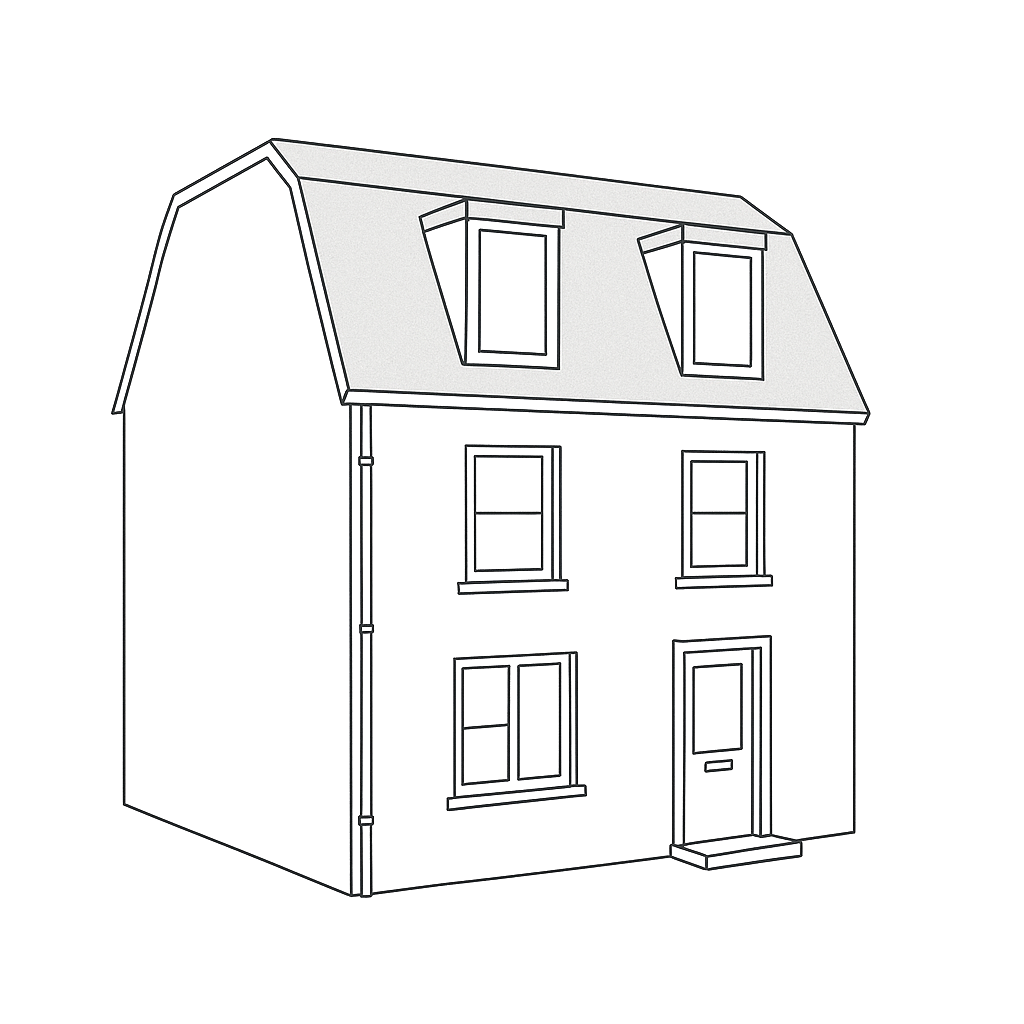
MANsard
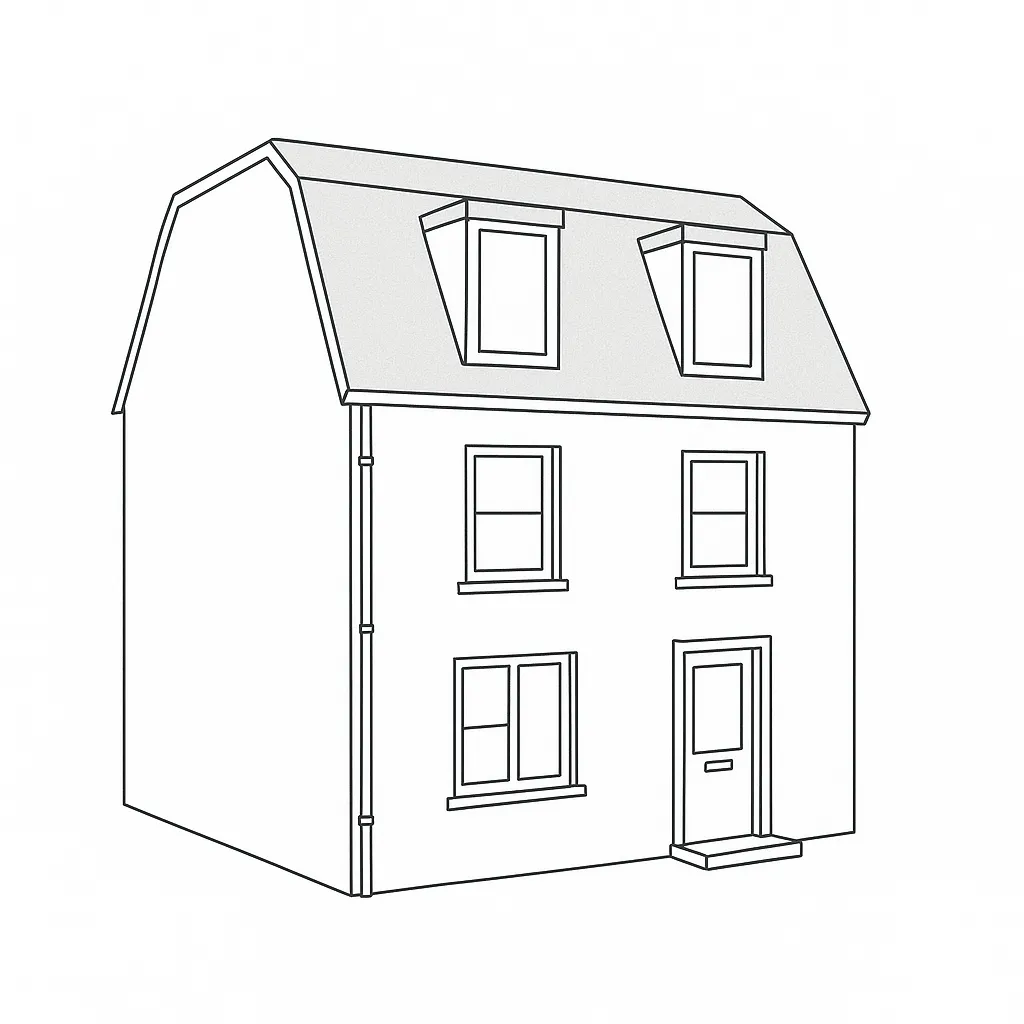
Maximum space
Adds premium value
Done in 8-12 weeks
What to consider?
How do you own the property?
The way you own your home affects what permissions you’ll need:
Freehold house: If you own the whole property, you usually have full rights to convert your loft, subject to planning rules and building regulations.
Leasehold house or flat: You’ll normally need written permission from the freeholder (landlord) and possibly other leaseholders before starting work.
Shared ownership or council property: Permissions can be more complex — you’ll need to check with the housing association or landlord first.
If you’re not sure what type of ownership you have, we can help you check your title documents and advise on the next steps.
Is the loft demised?
“Demised” means the loft space is legally included in the part of the property you own under your lease or title.
If your loft is demised: You have the legal right to use and convert it (subject to planning and building regulations).
If your loft is not demised: The space belongs to the freeholder, so you’ll need to negotiate for the right to convert it — often by purchasing the loft space or obtaining formal consent.
Many leasehold flats do not automatically include the loft, so it’s important to check your lease documents. If you’re unsure, we can help you review the paperwork or guide you on who to ask.
Do you need planning permission?
In most cases, you don’t need full planning permission — loft conversions usually fall under your Permitted Development Rights. This means you can go ahead without applying for permission, as long as your design meets certain rules, such as:
The loft extension does not add more than 40m² (terraced) or 50m² (semi-detached/detached) of extra space.
The extension does not extend higher than the existing roof.
Materials are similar in appearance to the existing house.
Dormer extensions do not extend forward of the house’s front roof slope facing a highway.
Side-facing windows are obscure-glazed and non-opening below 1.7m.
When planning permission is required:
If you live in a conservation area, listed building, or flat/maisonette.
If your design alters the roof shape significantly (e.g. mansard conversions).
If you exceed the volume or placement limits of permitted development.
Even if planning permission isn’t needed, Building Regulations approval is always required to ensure the work is safe and compliant.
How do I get planning permission?
If your loft conversion goes beyond permitted development rules, you’ll need to apply for planning permission through your local council’s planning department. The process usually involves:
Drawings & Plans – An architect or designer prepares detailed drawings of the proposed loft conversion.
Application Submission – Your plans are submitted online via the Planning Portal or directly to your council.
Council Review – The planning team reviews your application (normally 8 weeks). Neighbours may be consulted.
Decision – The council will either approve, request changes, or refuse.
Good to know:
Professional drawings greatly improve approval chances.
Mansard and hip-to-gable conversions are the types most likely to need permission.
Even with planning permission, you’ll also need Building Regulations approval to make sure the conversion is structurally sound and safe.
We can guide you through the entire process — from checking whether you actually need permission to preparing the paperwork and dealing with the council.
How long will the work take?
Most loft conversions take 6–8 weeks to complete once work begins on site. The exact timescale depends on the type of conversion:
Velux (rooflight) conversion: usually 4–6 weeks — the quickest option, as it involves minimal structural changes.
Dormer conversion: around 6–8 weeks, as it requires extending the roof.
Mansard conversion: typically 8–10+ weeks, as it involves more extensive structural work and often planning permission.
Other factors like the size of your property, weather, and whether extra features (bathrooms, bespoke stairs) are included can add time.
We’ll give you a clear project timeline before we start, and keep you updated at every stage.
Can I live at the property while the work is being done?
In most cases, yes — you can stay in your home during a loft conversion. The bulk of the work is carried out in the roof space, so day-to-day disruption is kept to a minimum.
Here’s what to expect:
Early stages: Most of the work happens externally (roof structure, dormers, Velux windows). Access is often from scaffolding, so disruption inside the house is limited.
Later stages: When we install the staircase and connect services (electrics, plumbing, plastering), we’ll need access through the main house.
Noise & dust: Some noise and dust is inevitable, but we use dust sheets, protective barriers, and tidy up daily.
If you prefer, some families choose to stay elsewhere for the staircase installation week, but most clients remain at home throughout.
We’ll always explain the schedule clearly so you can plan around the busiest phases.
What will the loft be for?
A loft conversion can be tailored to suit your needs and lifestyle. The most common uses are:
Extra Bedroom or Master Suite – Add space for a growing family or a luxury retreat.
Home Office – Perfect for remote or hybrid working, away from the busy parts of the house.
Guest Room – Give friends and family a comfortable space to stay.
Children’s Room or Playroom – A safe, dedicated space for kids to enjoy.
Bathroom / Ensuite – Add convenience and value with a stylish new bathroom upstairs.
Hobby Room or Studio – Ideal for a gym, art studio, or home cinema.
Your loft is a blank canvas — we’ll help you design a space that works best for you and adds maximum value to your home.
Is the house detached?
Detached houses are usually the most straightforward for loft conversions because they don’t share party walls with neighbours. This means:
No Party Wall Agreement – You won’t need to negotiate with neighbours, which can save time and paperwork.
More Design Freedom – Detached homes often allow larger dormers or mansard conversions, giving you more usable space.
Bigger Volume Allowance – Under permitted development, detached houses can add up to 50m² of additional loft space (compared to 40m² for terraces).
Planning permission may still be needed for major changes, but overall, detached homes tend to offer the most flexibility and fewest restrictions for loft projects.
Is the house terraced?
Yes — loft conversions are very common in terraced houses. In fact, many homeowners in London and other UK cities convert their lofts for extra space. A few things to be aware of:
Party Wall Agreement: Because your loft shares walls with your neighbours, you’ll likely need a Party Wall Agreement. We can guide you through this process.
Space Options: Dormer or Velux conversions are the most common for terraces, but Mansards are also possible if planning permission is granted.
Planning Rules: Terraced houses can add up to 40m² of additional loft space under permitted development. Anything larger usually requires planning permission.
We’ll advise on the best type of conversion for your terraced home and handle the permissions so everything runs smoothly.
Will people be on site every day
Yes, although this can be discussed if you have a party wall agreement that states no work after certain hours or on certain days or you'd prefer work to only be done during the week, we can work to that.
Can you help with planning
Yes, we have a network of fantastic architects and can help with everything you need.
What's included?
Stair case
Sound insulation
HEAT insulation
PROJECT MANAGEMENT
VETTED STAFF
NO SUBCONTRACTORS
Types of Loft Conversion
Dormer
A dormer loft conversion is the most popular way to add extra space and light to your home. By extending outwards from the roof, a dormer creates full-height ceilings and a room that feels like a natural part of the house.
Perfect for bedrooms, home offices, or bathrooms, a dormer conversion gives you real flexibility at an affordable price.
Maximises usable floor space with headroom throughout
Floods the room with natural light from large windows
Cost effective way to add living space
Completed in 6 - 8 weeks
VELUX
A Velux (rooflight) conversion is the simplest and most cost-effective way to transform your loft. It keeps the existing roofline intact and adds high-quality roof windows to fill the space with natural light.
Velux conversions are quick to build and usually don’t require planning permission, making them a fast, affordable upgrade.
Fastest and most affordable loft conversion option
Minimal structural work with less disruption
Brings in abundant daylight with stylish roof windows
Completed in 2 - 4 weeks
Mansard
A mansard conversion offers the maximum living space by altering the roof shape to create near-vertical walls. This essentially gives you a whole new storey, perfect for a large master suite or multiple rooms.
Although they often require planning permission, mansards are seen as the most desirable loft conversion — adding significant value and style to your home.
Creates the largest increase in space possible
Greatest flexibility on how to use the space
Adds premium value increase
Completed in 8 - 12 weeks
STILL NOT SURE?
Frequently Asked Questions
Do I need planning permission for a loft conversion?
In most cases, no. Loft conversions usually fall under Permitted Development Rights, meaning you don’t need full planning permission if you stay within certain size and design limits. However, planning permission may be required for Mansard conversions, conservation areas, listed buildings, or if you exceed the permitted size. We’ll advise you at the start whether permission is needed.
How do I get planning permission if I need it?
The process involves preparing drawings, submitting them through the Planning Portal, and waiting for your local council’s decision (typically 8 weeks). We take care of the whole process for you, from designs to paperwork, to make sure it’s smooth and stress-free.
How long will the work take?
Most loft conversions take 6–8 weeks once work begins on site. Velux conversions can be completed in as little as 4–6 weeks, dormers usually take 6–8 weeks, and mansards 8–10+ weeks due to their complexity.
Can I live in the house while the work is being done?
Yes. Most families stay in their home during the conversion. Early stages are mostly external, and while there will be some noise and dust, we protect your living space and keep disruption to a minimum. Some clients choose to stay elsewhere for the week when we install the staircase, but it isn’t essential.
How much does a loft conversion cost?
Costs vary depending on the type of conversion and your home, we’ll provide a free, no-obligation quote tailored to your property.
Will a loft conversion add value to my home?
Yes — on average, a loft conversion can add 15–20% to your property value, making it one of the best home improvement investments.
One of the major ways house are valued is based on number of bedrooms, bathrooms and square feet, a loft conversion increases all of these, so adds value.
What can I use the loft for?
Popular options include a master bedroom with ensuite, home office, guest room, children’s playroom, or even a home gym or studio. The space is flexible and can be designed to suit your lifestyle.
Is my loft suitable for conversion?
Most lofts can be converted, but we’ll check factors like the roof height, pitch, and structure at your free consultation. Even low-pitch roofs can often be adapted with a dormer or mansard conversion.
Is your loft demised?
“Demised” means the loft legally belongs to you under your lease or title. If it is, you can convert it (subject to permissions). If not, you may need to buy or get consent from the freeholder. We can help you check your documents and advise on next steps.
How do you own your property, and why does it matter?
Freehold houses are usually straightforward, as you own the entire property. Leasehold houses or flats often require freeholder permission, and shared ownership or council homes may involve extra steps. We’ll guide you through this based on your ownership type.
Will I need Building Regulations approval?
Yes — all loft conversions must comply with Building Regulations to ensure the structure, fire safety, insulation, electrics, and stairs meet UK standards. We arrange all inspections and certification for you.
Will my neighbours need to be involved?
If you live in a terraced or semi-detached house, you’ll likely need a Party Wall Agreement before work starts. This is a formal agreement with your neighbours confirming the work, and we’ll help you handle this properly.

Integrity
Honesty and transparency.

Excellence
Top-notch services.


Copyrights 202X | Your Brand™ | Terms & Conditions